

What is heart failure?
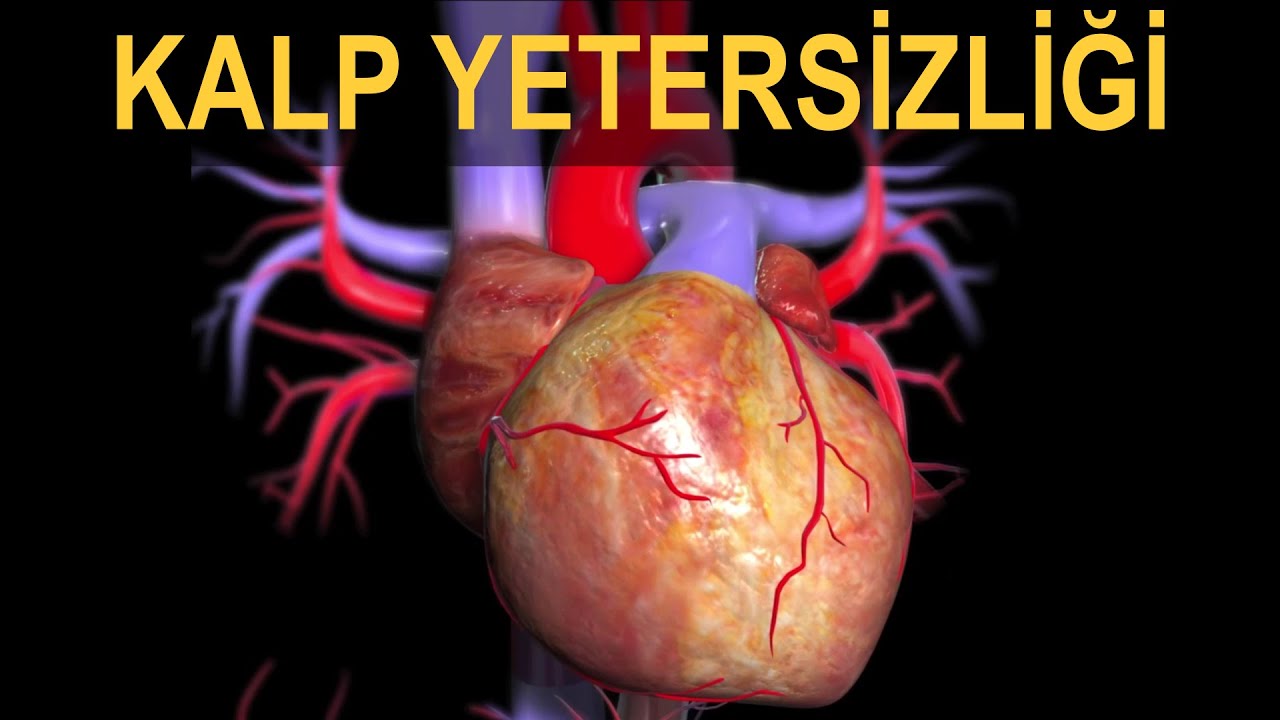
Heart failure is the inability of the heart to pump enough blood to the body. Typically, the heart is abnormally enlarged. When the left side of the heart is failing, the blood that cannot be pumped causes increased pressure in the lungs, where it originates, and fluid leaks from the blood into the air sacs. When a similar problem occurs on the right side of the heart, fluid accumulates in the abdomen and legs. At the same time, because the amount of blood that can be sent to the body decreases, the oxygen reaching the tissues is also insufficient.
What are the symptoms of heart failure?
Heart failure may initially present no symptoms; however, once it reaches a critical level, certain complaints begin to appear in the patient. The most common of these symptoms are: Getting tired easily, fatigue, shortness of breath (dyspnea), palpitations, and swelling (edema). However, it is important to note that these symptoms can also occur in many other diseases (e.g., anemia, thyroid disorders, COPD, etc.), and necessary investigations must be conducted for a differential diagnosis.
What causes heart failure?
The most common causes leading to heart failure are as follows:
- Death of a specific area of the heart (heart attack)
- Inability of heart tissues to receive sufficient oxygen (coronary artery occlusion)
- Increased workload of the heart (severe valve stenosis or valve regurgitation)
- Abnormally thick or thin heart muscle (HCM, dilated CMP…)
- Infection of the heart muscle (myocarditis)
- Increased pressure reflected on the heart (uncontrolled hypertension)
- Constantly high heart rate (rhythm disorder)
How is heart failure treated?
- Transition to a healthy lifestyle: Avoiding alcohol, quitting smoking, eating healthy (e.g., Mediterranean diet), restricting fluid and salt intake, and staying as active as possible contribute positively to heart functions.
- Medications: Some of these medications are heart drugs known as diuretics (loop diuretics, thiazides, aldosterone antagonists) that reduce edema in the lungs and legs. Some possess properties that strengthen the heart muscle over time (ARNI, ACE-I, ARB, SGLT2i, beta-blockers). Others are used to prevent the heart from beating excessively fast (digoxin, ivabradine). Some of the aforementioned drugs have more than one positive effect. Regular use of medications is crucial for alleviating the patient’s symptoms and positively altering life expectancy.
- Treatment of underlying causes: The specific treatment for each cause is different. For example, if the condition leading to heart failure is a narrowing or occlusion in the coronary arteries, opening the vessels usually provides benefit. The vessels can be opened via bypass surgery (open-heart surgery) or non-surgical methods (stenting), depending on the patient’s clinical and anatomical characteristics. If the underlying cause is severe stenosis or regurgitation in the heart valves, the impaired valve is either repaired or replaced with a prosthetic valve. This can be achieved through valve surgery or non-surgical methods (TAVI, clip method, etc.).
- Heart failure-specific pacemaker (CRT): If a heart failure patient has a significant blockage in the heart’s electrical conduction pathways (e.g., left bundle branch block), a special type of pacemaker called CRT, which offers a solution to this blockage, can increase the heart’s pumping power.
- Defibrillator pacemaker (ICD): Most patients with a heart pumping power (Ejection Fraction: EF) of less than 35% require the implantation of a defibrillator pacemaker called an ICD. The ICD is not actually implanted to correct heart failure. The goal is for the device to quickly recognize potentially fatal rhythm disorders, or even cardiac arrest, and automatically deliver a life-saving electrical shock to restart the heart. When a patient requires both an ICD and CRT, devices carrying both features are available.
- Heart transplant: In patients with advanced heart failure, when treatments are no longer effective, the only option becomes a heart transplant. Due to organ shortages, a mechanical circulatory support device (artificial heart) may be implanted during the waiting period until a transplant is available.