
What is a TAVI procedure?
It is the replacement of the aortic valve, one of the four valves of the heart, using a non-surgical method. In summary, in this method, a small entry hole is opened in the leg artery and the artificial valve is sent to the heart with the help of a long and flexible tube (catheter). The reason for using the expression “non-surgical” is that, unlike heart surgery, in the TAVI method, the chest cavity is not cut and the heart is not stopped. That is, in the TAVI method, the valve is replaced while the heart continues to work.
What does “TAVI” stand for?
The acronym TAVI stands for “Transcatheter Aortic Valve Implantation.” It means “implantation of the aortic valve via catheter.” In some countries, it is known as TAVR (Transcatheter Aortic Valve Replacement).


Who is suitable for TAVI?
The TAVI method (procedure) is performed on patients with severe stenosis of the heart’s aortic valve. Whether someone is a suitable candidate depends on many factors such as the patient’s general health status, surgical risk, and the anatomical characteristics of the valve. TAVI is an alternative method to open-heart surgery, that is, replacing the valve via heart surgery.

For serious decisions such as choosing a treatment, we recommend seeking a second opinion from a different physician. It is important to request that the most current scientific evidence for the proposed treatment be presented in clear, understandable language, along with its references.
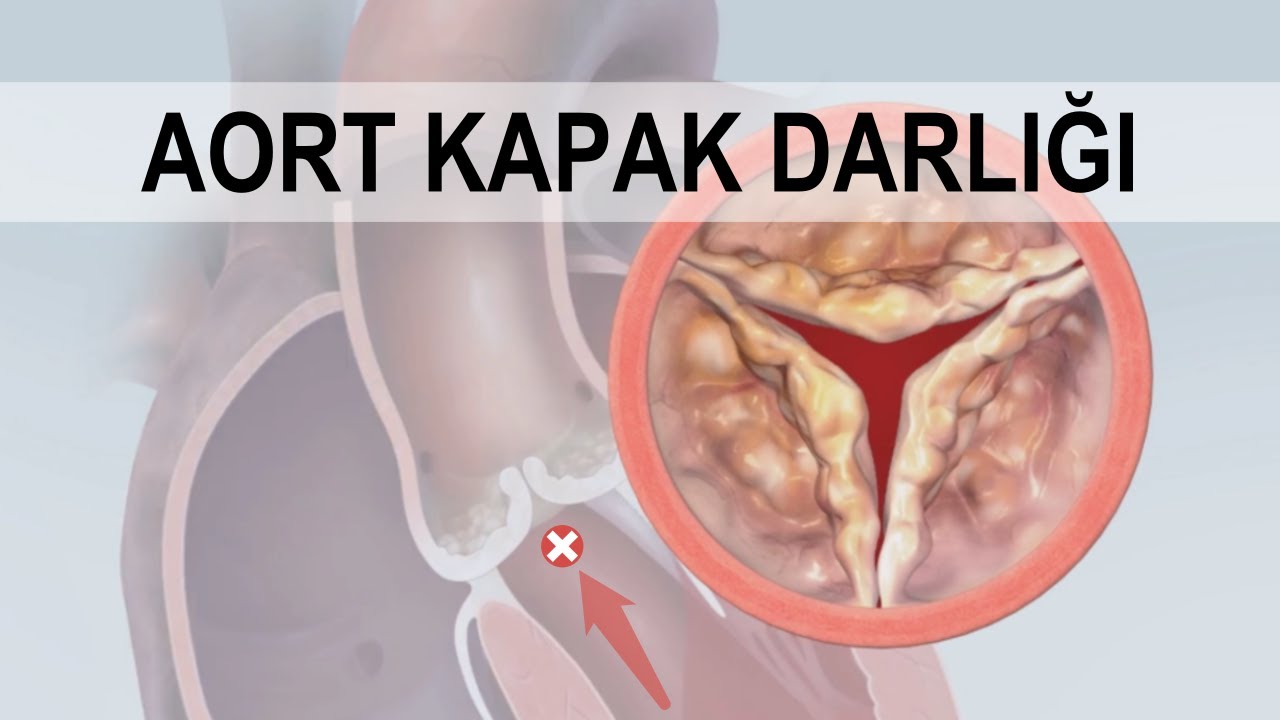
What is aortic valve stenosis?
When the heart pumps blood, it first sends it to the body’s largest vessel, the aorta. The aortic valve is the gateway between the heart and the aorta. If this valve does not open properly—that is, if it narrows—sufficient blood cannot be sent to the body. This causes chest pain, shortness of breath, palpitations, fatigue, or fainting. This condition is called aortic valve stenosis. The probability of aortic valve narrowing is much higher in the elderly than in young people. This is because the valve becomes calcified as one ages.
Is TAVI an experimental procedure?
TAVI is not an experimental treatment. It is an effective treatment that has been applied to more than 2 million patients in over 80 countries to date.
Prof. Dr. Şükrü Akyüz is an interventional cardiologist. His field of expertise is the treatment of heart diseases using non-surgical methods. He is a proctor (instructor) and consultant for structural heart disease procedures, including TAVI.
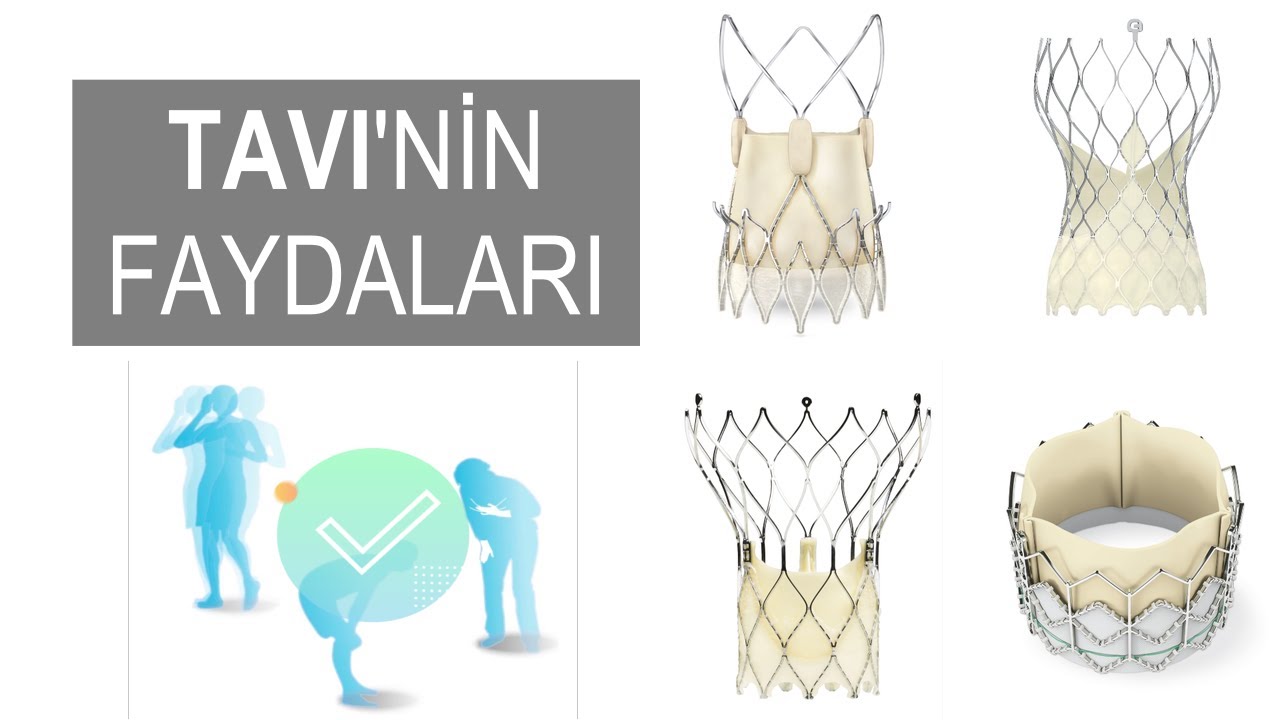
What are the benefits of TAVI?
Whether it is through surgery or TAVI, replacing the aortic valve improves the performance of the heart. Consequently, the patient’s complaints such as shortness of breath and rapid fatigue disappear, quality of life increases, and life expectancy is extended. However, the TAVI method offers some additional benefits compared to surgery, which are summarized in the table below.

What are the risks of TAVI?
As with any interventional procedure or operation, TAVI carries certain risks. The most important of these are as follows:
- Because the prosthetic valve is implanted on a calcified and irregular surface, small gaps may remain outside the valve annulus, through which blood leakage can develop [Paravalvular leak (PVL)]. Mild leaks are common but do not require treatment. Moderate or severe leaks, however, are significant. In this case, the valve is further expanded by inflating a balloon inside it, reducing the gap where the leak occurs, so that in most cases the leak is corrected during the procedure. Rarely, correcting the leak may require implanting a second prosthetic valve within the existing one, or closing the gap with a plug (PVL closure).
- The dye (contrast agent) used to obtain images during the procedure may damage the kidneys. Even if kidney impairment develops, it generally resolves completely with intravenous fluid support. Temporary dialysis is occasionally required. The need for permanent dialysis is extremely rare.
- Serious bleeding may occur at the groin access site, or the vessel may become completely occluded. This usually resolves with balloon inflation inside the vessel or spontaneously. Rarely, stenting of the femoral vessel may be required.
- Serious complications such as stroke, heart attack, and death occur in 2 out of every 100 patients (the combined incidence of all three is 2%).
- The aortic valve is adjacent to the heart’s electrical conduction pathway. The implanted prosthetic valve may press on the conduction pathway, which is itself partially calcified, and the electrical impulses that maintain the heart’s normal rate may fail to conduct. For this reason, up to 10 out of every 100 patients who undergo TAVI may require a permanent pacemaker.

Which is riskier: TAVI or open-heart surgery?
Since each patient is different, certain risks are higher in certain patients. This risk also varies depending on the chosen approach. However, when cardiac surgery and TAVI are compared in terms of complications, data from high-quality (randomized, controlled, and multicenter) clinical trials can be summarized as follows (See References):
- The risk of developing serious bleeding, acute kidney failure, and arrhythmias such as atrial fibrillation is higher with cardiac surgery compared to TAVI.
- The risk of requiring a permanent pacemaker and developing paravalvular leak is higher with TAVI compared to cardiac surgery.
- The risk of death and stroke is similar with both procedures.
Can aortic valve stenosis be managed with medication instead of TAVI?
The only treatment for severe aortic valve stenosis is valve replacement. Medications only help relieve symptoms like shortness of breath for a short time; the underlying problem continues to worsen.

People who are experiencing symptoms while waiting for their aortic valve replacement are at risk for death.
How is the TAVI procedure performed?
TAVI is performed under sedation or general anesthesia. In both cases, the patient is put to sleep and given medications to ensure they do not feel pain during the procedure. The main difference between the two is as follows: Under general anesthesia, a tube (flexible tube) is inserted into the patient’s airway—that is, the patient is intubated—and a ventilator delivers air to the patient. With sedation, however, no breathing tube is inserted, the patient is not connected to a ventilator, and the patient breathes on their own. Sedation is preferred whenever possible for TAVI because it results in a shorter procedure time and lower risk. However, in certain medical situations, general anesthesia may be necessary (unlike TAVI, general anesthesia is mandatory for open-heart surgery). The anesthesiologist continuously monitors the patient’s vital signs—namely, blood pressure, heart rate, and respiratory rate and quality—throughout the procedure. This allows us, the interventional cardiologists performing the procedure, to focus more effectively on our task: the details of implanting the valve. First, we prepare the appropriate site—either the right or left groin—for the catheter carrying the artificial valve (TAVI catheter). We guide a long guidewire and the TAVI catheter, which is advanced over it, from the groin to the heart and position the artificial valve at the site of the damaged valve. Using a mechanical control attached to the catheter, we release the artificial valve from the catheter and, if the positioning is correct, leave it in place. The artificial valve begins functioning the moment it is positioned. The heart continues to beat throughout the procedure; in other words, unlike open-heart surgery, the heart is not stopped during TAVI.

What happens in the hospital after TAVI?
- Immediately after TAVI, the patient will be transferred to the coronary intensive care unit or a similar monitoring unit for observation.
- It will be checked whether the patient has regained consciousness and is breathing independently.
- The patient’s groin sites will be regularly checked for pain, bleeding, or any other issues, and the patient will be asked whether they are feeling well. If pain is present, it will be relieved with analgesic medications. To prevent bleeding, the patient will be asked to keep their leg straight for the first few hours.
- Once fully awake, the patient will be able to drink water and eat.
- Our nurse will assist the patient in gradually getting up when the time is appropriate.
- If all checks show no issues, the patient will be transferred to a regular hospital room.
What are TAVI valves made of?
The new artificial valve is biological. That is, it is made from the outer membrane surrounding a bovine or porcine heart. There is also a supporting metal wire scaffold for these structures. The metals are either cobalt-chromium or nickel-titanium alloys. These metals do not rust.
Which TAVI valve is the best?
There is no significant difference in quality between balloon-operated and spontaneously opening valves. All valves are manufactured using high technology. Most patients can use any brand of valve. However, sometimes a particular brand may be more suitable for one patient, while another brand may be more suitable for another. This is a technical matter related to the procedure rather than valve quality.


How long does a prosthetic heart valve last?
In most patients (>90%), recent scientific data has shown that the newly implanted valve functions without deterioration for 10 years (See References). We do not yet have data for longer periods. However, considering that the valves used in TAVI are produced by the same companies and from the same materials as biological valves implanted surgically, it can be assumed that they will have a similar lifespan. In fact, many factors determine the life of a valve, and these can have different effects for each patient. For example, the presence of an additional disease such as kidney failure shortens the valve’s life. The younger the patient, the shorter the valve’s life will be. This is because, in younger individuals, the heart is stronger and the blood passing through the valve is faster, so the valves are exposed to more pressure and therefore deteriorate earlier.
Can TAVI be performed for a second time?
Even if a TAVI-installed valve deteriorates over time, it can usually be re-TAVIed (TAVI-in-TAVI).
Can TAVI be performed in a patient whose aortic valve has already been surgically replaced?
If the old artificial valve is a biological valve, TAVI (TAVI-in-valve) can usually be performed. However, if the old artificial valve is mechanical, it is not technically possible to insert a TAVI valve into it.
Can an artificial valve be felt in the body, or does it make a sound?
No, it’s not noticeable. Unlike surgically implanted mechanical valves, it doesn’t make any audible noise either.
Can the implanted heart valve move out of place?
No. Although cases where the valve was found to have become dislodged later have been reported in the literature, this is very rare. In fact, it is impossible for the valve to become dislodged as the valve ring becomes covered by tissues within a few months.
When can patients be discharged after TAVI?
After the TAVI procedure, the patient is usually discharged the next day. However, in some patients, this period may be longer. This duration depends on the patient’s general health status, the presence of complications, and individual factors (e.g., healing rate). Our goal is to send the patient home as soon and as safely as possible. This is because unnecessarily prolonged hospital stays both increase the risk of infection and slow down the recovery process.
When can physical activities be resumed after TAVI?
In the period before the TAVI procedure, the patient may have experienced significant difficulty during physical activities, even during a simple walk. This may have led them to restrict themselves and resulted in a decrease in their physical conditioning. Therefore, the transition to initial activities after TAVI should be made gradually. Over time, the patient’s physical strength will increase, and they will feel better. Walking is very important in the recovery process. It is recommended to take short walks inside the house, in the garden, or in nearby parks during the first week, and then gradually increase the walking duration every day; it is also advised not to lift heavy loads, not to perform heavy work, and not to swim until the first follow-up examination. Decisions regarding the timing for returning to work, flying, and engaging in sexual intercourse vary according to the patient’s age, general health status, and the outcome of the operation.
Will blood thinners be needed after TAVI?
It is mandatory to use blood-thinning medication to prevent blood clots from forming on the artificial heart valve. For most patients, only a low-dose Aspirin is sufficient. However, some patients may need to be given a different type of blood thinner.
What should patients pay attention to after TAVI??
In order for an artificial heart valve—whether implanted via surgery or TAVI—to remain healthy, blood-thinning medication must be used without interruption. Additionally, it is crucial that the valve does not become infected. If there is an infection elsewhere in the body, especially in the mouth or teeth, pathogenic (disease-causing) bacteria can enter the bloodstream and subsequently attach to the valve. In this case, a highly fatal disease called infective endocarditis occurs. Therefore, it is very important to take antibiotics beforehand in such situations. If surgery for another reason or dental treatment is to be performed, the doctor must be informed about the presence of the artificial heart valve. This allows the doctor to initiate preventive antibiotic therapy.
Is it risky to have an MRI after TAVI?
At any time after TAVI, a doctor from a related specialty may deem an MRI necessary for other medical reasons (for example, a herniated disc). Since MRI is a device that emits a magnetic field, it attracts some metal structures like a magnet. This causes concern in both patients with artificial heart valves and the technicians performing the scan. In fact, these valves are not affected by MRI scans even on the very first day of the TAVI procedure. This is because the functional part of the artificial valve is biological in nature. The thin wire-mesh metal scaffold that holds the biological parts is made of cobalt-chromium or nickel-titanium alloy and is not significantly affected by the magnetic field. The point to consider here is not to perform the scan with an excessively high magnetic field (It should be ≤3 Tesla, and certain numerical parameters should not be exceeded). In daily practice, scanning higher than 3 Tesla is extremely rare.
TAVI or surgery: which is better? What does the scientific evidence say?
Scientific studies have proven that TAVI is an effective and safe treatment method (See References). All of these studies were published in the New England Journal of Medicine (NEJM), which is one of the highest-quality scientific journals (2024 Impact factor = 78).
- First (2011-2014), TAVI was proven to be successful in high-risk patients who could not tolerate heart surgery. Result: TAVI = Surgery.
- Then (2016-2017), the success of TAVI was proven in patients with intermediate surgical risk. Result: TAVI = Surgery.
- Later (2019), TAVI was proven to be successful even in patients with low surgical risk. Result: TAVI = Surgery.
In summary; according to the ACC/AHA (American) and ESC (European) Heart Valve Disease Guidelines, if a patient has any of the following, heart surgery would be highly risky, and TAVI is recommended rather than surgery, regardless of the patient’s age:
- Patients at very high risk for surgery, i.e., those estimated to have a low probability of surviving the operation (Risk score calculation methods are used for this).
- Patients who also have serious problems in other vital organs such as the brain, lungs, and kidneys.
- Very frail patients in need of care.
- Patients with technical issues for surgery (For example, those whose aorta is too calcified for an incision).
If none of these listed conditions are present in the patient, then the decision is made based on the patient’s age. The perspectives of American and European cardiology associations regarding age limits differ; therefore, this part is somewhat controversial. Specifically:
ACC/AHA (American) Heart Valve Disease Guideline according to:
- Under the age of 65, surgery is preferred (as we do not yet have sufficient scientific data on the long-term results of TAVI performed on patients younger than 65).
- Between the ages of 65-80, either TAVI or surgery can be preferred.
- Over the age of 80, TAVI is preferred.
ESC (European) Heart Valve Disease Guideline according to:
- Under the age of 70, surgery is preferred.
- Over the age of 70, TAVI is preferred.
The information I have summarized to answer the question “Is surgery or TAVI better?” is intended to provide a general idea. Since the characteristics of each patient are different, it may sometimes be necessary to deviate from this approach. At this point, the collaboration between the cardiologist and the heart surgeon ensures that the most appropriate decision is made.

Examples from our TAVI cases
References
- Praz F, Borger MA, Lanz J, et al; ESC/EACTS Scientific Document Group. ESC/EACTS Guidelines for the management of valvular heart disease. Eur Heart J. 2025 Aug 29:ehaf194.
- Otto CM, Nishimura RA, Bonow RO, et al. ACC/AHA Guideline for the management of patients with valvular heart disease. J Am Coll Cardiol. 2021 Feb 2;77(4):e25-e197.
- Smith CR, Leon MB, Mack MJ, et al. Transcatheter versus surgical aortic-valve replacement in high-risk patients. N Engl J Med. 2011;364:2187-2198.
- Adams DH, Popma JJ, Reardon MJ, et al. Transcatheter aortic-valve replacement with a self-expanding prosthesis. N Engl J Med. 2014;370:1790-1798. (A trial conducted on high-risk patients)
- Leon MB, Smith CR, Mack MJ, et al. Transcatheter or surgical aortic-valve replacement in intermediate-risk patients. N Engl J Med. 2016;374:1609-1620.
- Reardon MJ, Van Mieghem NM, Popma JJ, et al. Surgical or transcatheter aortic-valve replacement in intermediate-risk patients. N Engl J Med. 2017;376:1321-1331.
- Mack MJ, Leon MB, Thourani VH, et al. Transcatheter aortic-valve replacement with a balloon-expandable valve in low-risk patients. N Engl J Med. 2019;380(18):1695-1705.
- Popma JJ, Deeb GM, Yakubov SJ, et al. Transcatheter aortic-valve replacement with a self-expanding valve in low-risk patients. N Engl J Med. 2019;380(18):1706-1715.
- Mack MJ, Leon MB, Thourani VH, et al; Partner 3 Investigators. Transcatheter aortic-valve replacement in low-risk patients at five years. N Engl J Med. 2023 Nov 23;389(21):1949-1960.
- Baron SJ, Magnuson EA, Lu M, et al. Health status after transcatheter versus surgical aortic valve replacement in low-risk patients with aortic stenosis. J Am Coll Cardiol. 2019;74(23):2833-2842.
- Leon MB, Mack MJ, Hahn RT, et al. Outcomes 2 years after transcatheter aortic valve replacement in patients at low surgical risk. J Am Coll Cardiol. 2021;77(9):1149-1161.
- Baron SJ, Ryan MP, Chikermane SG, et al. Long-term risk of reintervention after transcatheter aortic valve replacement. Am Heart J. 2024;267:44-51.
- Otto CM. Timing of aortic valve surgery. Heart. 2000;84(2):211-218.
- Malaisrie SC, McDonald E, Kruse J, et al. Mortality while waiting for aortic valve replacement. Ann Thorac Surg. 2014;98(5):1564-1571.