
What is a mitral balloon?
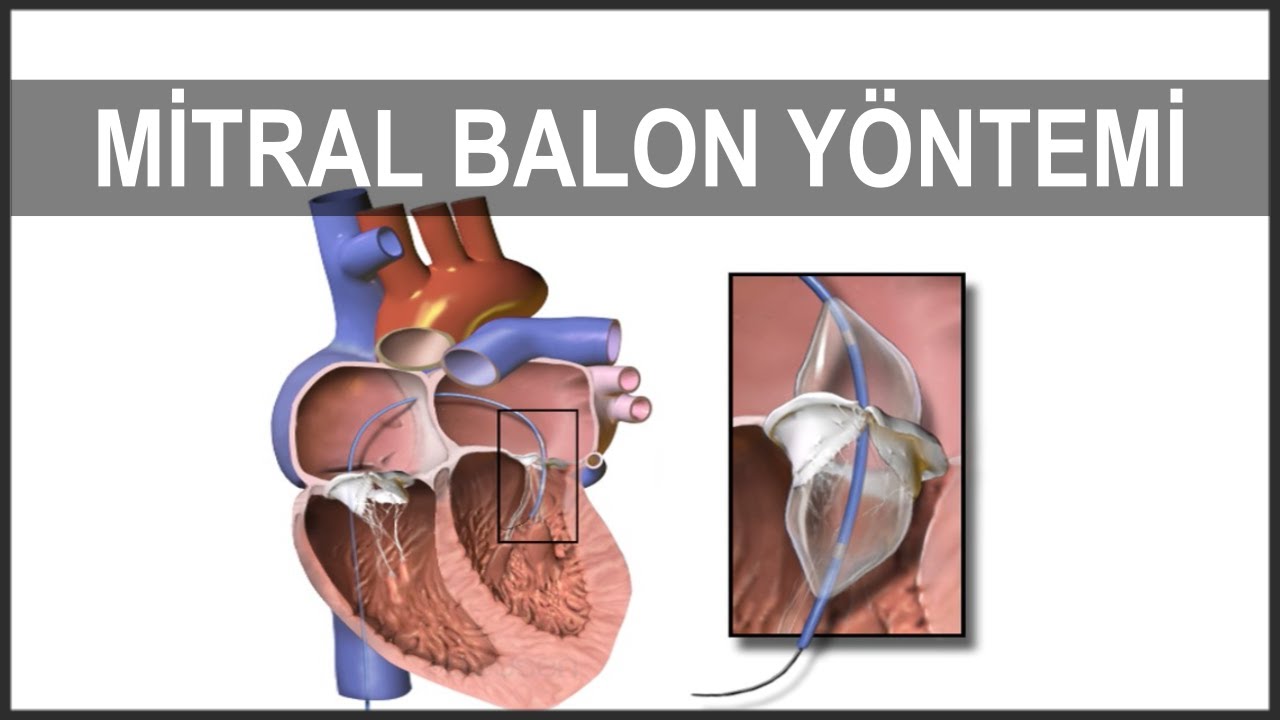
Mitral valve stenosis, if severe, the first choice is to apply the non-surgical balloon method, which is not surgery. Its medical name is “mitral balloon valvuloplasty.” In patients who are not suitable for this method due to clinical or anatomical reasons, surgery is preferred. The purpose of performing ballooning is to separate the two parts of the valve, namely its leaflets, which are stuck together at the tips, through the pressure effect of the balloon inflated at the valve level. In this way, the valve area is widened, the mobility of the valve is increased, and consequently, an increase in the amount of blood passing through the valve is achieved.

Prof. Dr. Şükrü Akyüz is an interventional cardiologist. His area of expertise is the non-surgical treatment of heart diseases, including the mitral balloon procedure.
How is mitral balloon therapy performed?
First, we put the patient to sleep in the catheterization laboratory. We monitor the images generated by X-rays passing through the patient’s heart level on the screen in front of us. Additionally, we obtain images via ECHO (TEE) performed through the esophagus. By looking at the images provided by these two methods, we understand where we are and what we are doing. During the procedure, after numbing the groin area so the patient feels no pain, we enter the groin vein with a needle and send a wire up to the heart. Then, we advance a long catheter by sliding it over this wire. First, we reach the right atrium. From here, we cross into the left atrium by puncturing the intervening septum with a needle at the tip of the catheter. After carrying the balloon here over a wire, we remove the wire. Now, the balloon is positioned just above the mitral valve. Then, by steering the catheter carrying the balloon, we pass through the stenosis in the mitral valve with the still-deflated balloon. After alignment, we quickly inflate the balloon. Then, we immediately deflate it and take measurements. Finally, once we determine that the valve opening has reached sufficient width, we remove the balloon and catheter and conclude the procedure.
Examples of our mitral balloon cases
References
- Otto CM, Nishimura RA, Bonow RO, et al. ACC/AHA Guideline for the management of patients with valvular heart disease. J Am Coll Cardiol. 2021 Feb 2;77(4):e25-e197.
- Vahanian A, Beyersdorf F, Praz F, et al. ESC/EACTS Guidelines for the management of valvular heart disease. Eur Heart J. 2022;43(7):561-632.