

Table of Contents
- What is bypass surgery?
- "What does "bypass" mean?
- Who can undergo bypass surgery?
- How to recognize blocked heart arteries?
- What are the risks of bypass surgery?
- Which tests are performed before bypass surgery?
- How many hours does bypass surgery take?
- How is bypass surgery performed?
- I don't want a bypass, can't my veins be opened with a stent?
- Are bypass vessels blocked?
- What should be considered after bypass surgery?
- What will be the recovery process after bypass surgery?
- How many years do bypass surgery patients live?
- References
What is bypass surgery?
Bypass surgery, cardiovascular tblurtheirof is one of the treatments used to open it. In this surgery, the blood vessel The stenosis is not directly intervened; a spare vessel taken from the patient is connected before and after the stenosis. Thus, the blood flow reaches the area before the stenosis through the patient's own natural heart vessel, while the blood flow reaches the area after the stenosis through the replacement vessel.
"What does "bypass" mean?
Bypass, in English “passing by“ means. Bypass surgery tabbreviation of medical name CABG‘is. Installed and the bypass vessel Graft is called.
Who can undergo bypass surgery?
- Those with stenosis or occlusion in more than one main vessel
- In the left main vein (LMCA) those with stenosis or obstruction
- Stent those who are not suitable for treatment with
- Those who develop stenosis again in previously implanted stents
- Rarely, those whose arteries cannot be opened by emergency stenting during a heart attack
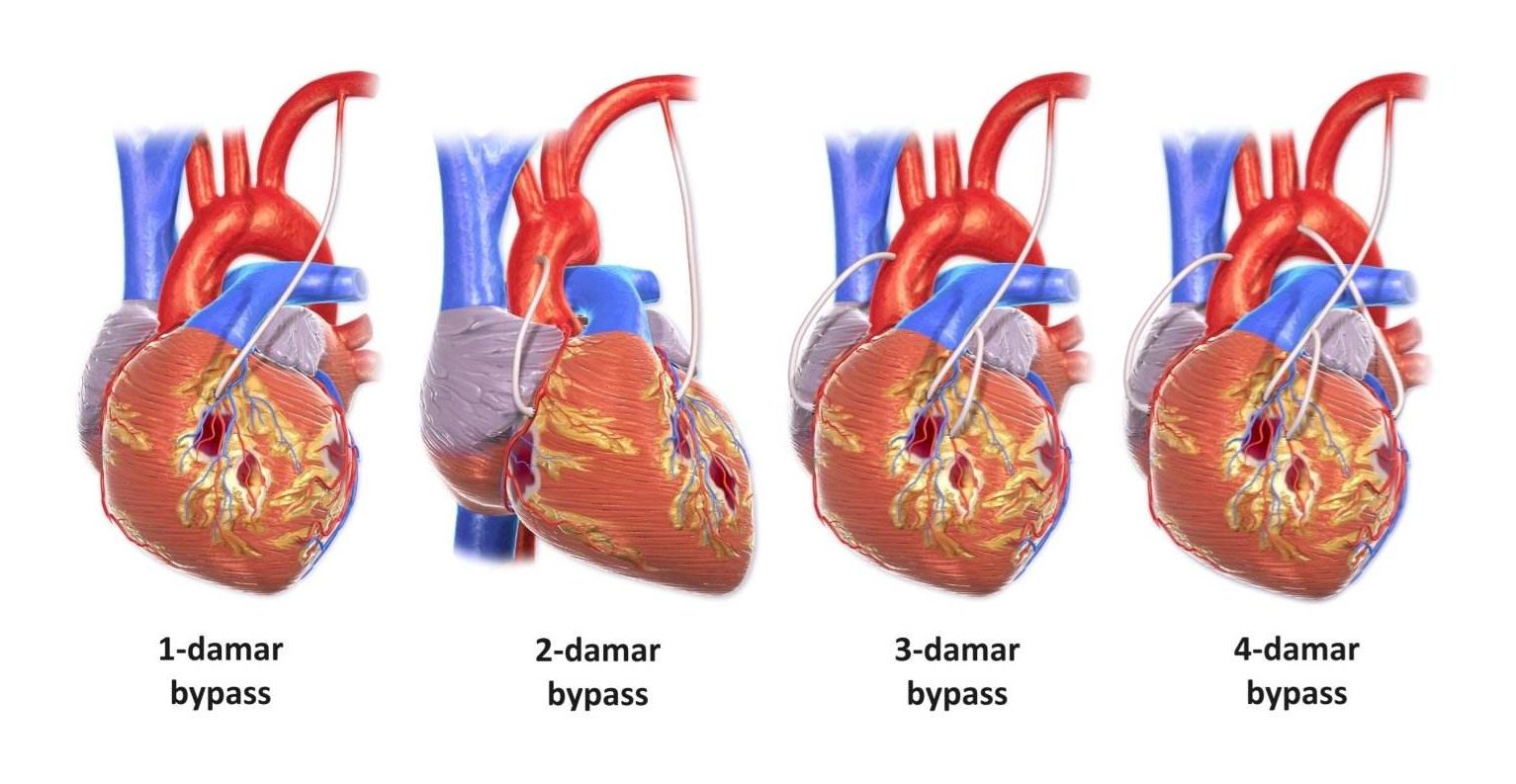
How to recognize blocked heart arteries?
The surest way to know if you have a blockage in your heart vessels angioplasty (coronary angiography). In some patients, direct angiography is recommended, while in others it is recommended that other tests (effort test heart scintigraphy, virtual angiography, etc.) may be recommended. This choice is based on the type and severity of the symptoms, the pumping power of the heart and other characteristics of the patient. Ultimately, however, the decision for bypass surgery is based on the angiography images.
What are the risks of bypass surgery?
Possible risks (complications) include
- Bleeding during or after surgery
- Heart attack
- Heart failure
- Disruption of heart rhythm
- Blood accumulation in the pericardium and compression of the heart (pericardial tamponade)
- Inflammation of the pericardium (acute pericarditis)
- Permanent hardening of the pericardium (constrictive pericarditis)
- Infection at the chest incision site (skin or bone)
- Infection inside the rib cage (mediastinitis)
- Lung infection (pneumonia)
- Kidney failure
- A clot in the lung (pulmonary embolism)
- Temporary or permanent swelling (edema) of the leg where the vein was removed
- Chronic itching or discomfort due to wires in the breastbone
- Permanent scarring at incision sites
- Depression and anxiety disorders
- Forgetfulness
- Difficulty thinking clearly
- Paralysis (stroke)
- Death
Probability of developing the most serious complications, such as paralysis and death usually is low (%1). However, any complications The likelihood of development is actually quite variable from patient to patient. The risk is higher in the following cases:
- Poor general health of the patient before surgery.
- The patient is very dependent, i.e. unable to do even ordinary daily tasks without help.
- The urgency of the surgery.
- The presence of other additional problems in the heart (e.g. severe valvular insufficiency or poor pumping power of the heart, i.e. heart failure)
- Presence of additional problems in other organs (e.g. COPD, cirrhosis, chronic kidney failure, Alzheimer's disease, carotid artery stenosis, etc.)
You may be right to be concerned about these risks, but remember: Serious complications are rare. The important question is whether bypass surgery is really necessary. If the decision has been made in accordance with current scientific data and guidelines, and if your surgeon is sufficiently experienced, it is actually better to avoid this operation and not have anything done. heart attack and death, which means you are much more exposed to risks such as death. However, you can still If you cannot overcome your fears and do not want to undergo bypass, do not leave yourself untreated; remember that most patients can have their vessels opened with non-surgical methods (complex stenting). For more detailed information “St.ent or bypass?“We recommend you to read our article.
Which tests are performed before bypass surgery?
- Blood test
- ECG (electrocardiography)
- EKO (echocardiography; ultrasound of the heart)
- Effort test (treadmill)
- Heart scintigraphy (nuclear test)
- Virtual angioplasty (CT angiography)
- Carotid ultrasound
- Angioplasty (coronary angiography)
How many hours does bypass surgery take?
Bypass surgery usually takes 3 to 6 hours. The time required varies depending on the type of bypass surgery, how many vessels will be bypassed and some other parameters.
How is bypass surgery performed?
What is beating heart bypass?
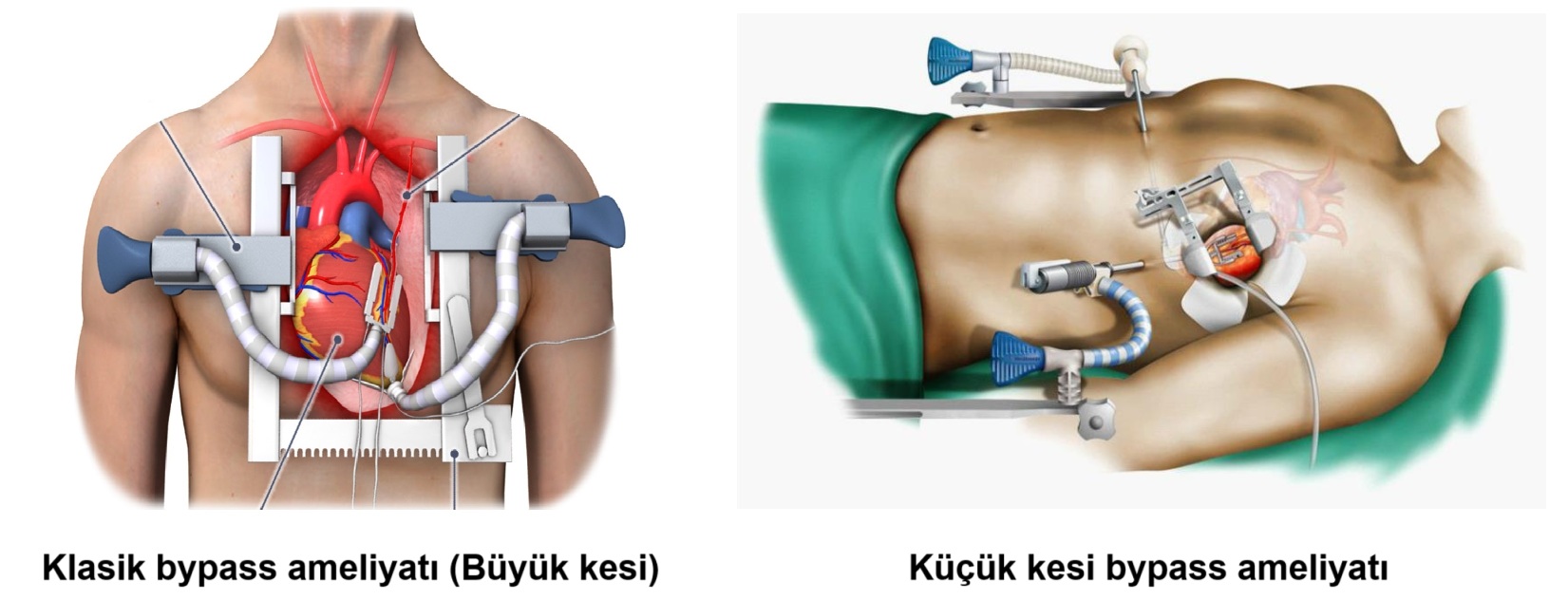
Thanks to technology, alternative surgical methods have been developed. If you've noticed, kIn the lasik method, the heart is stopped and then bypassed. But, in appropriate cases bypass, heart beating, so it can be done without stopping the heart. Atat-heart (off-pump) bypass called bIn this method, while the heart continues to beat, only the vessel point to be sutured is fixed with a special instrument and the bypass vessel is sutured to this point. Atthe heart bypass is the only way to preventThe main advantage over the conventional method, in which the albumin is stopped and a lung-heart pump is used, is that it reduces the risk of stroke in patients with calcified aortic vessels and allows patients with severe lung disease to be weaned from the ventilator sooner after surgery. Atthe disadvantage of bypass in the heart every case is technically feasible is that it is not. This method, It can usually only be performed if there is a problem in one or two vessels, the heart's pumping power is normal, there is no history of previous heart surgery, there is no significant obesity and the anatomy is appropriate.
What is a small incision bypass?
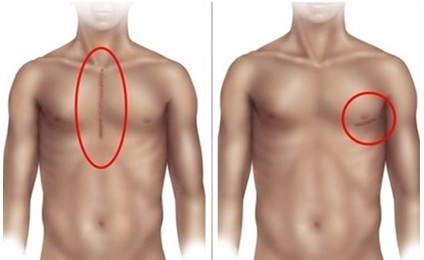
Bypass surgery may also involve a partial, rather than a full, incision in the chest. This method is called, ksmall incision bypass surgery is called KIsaca, MIDCAB (minimally invasive direct coronary artery bypass) known as This is surgery, It can be done by stopping the heart or while the heart continues to work (in a beating heart).
What is a closed bypass?
Ksmall incision bypass surgery, hbetween alk closed bypass olaris known as open-heart surgery. In fact, this is also a type of open heart surgery, as the result is an incision in the chest, albeit a small one.
What is robotic bypass?
Are closed bypass and robotic bypass better than conventional bypass?
The main advantage of closed bypass and robotic bypass over the classical method is less aesthetic scarring and shorter recovery time. The disadvantages are that methods require special instruments, are more expensive and the surgeon has to work on these methods. specialized training and sufficient experience. However, in these methods kthe procedure performed on the heart is the same as that performed in a conventional bypass; hence the medical benefit to the heart is the same. The likelihood of most serious complications, such as death and stroke, is similar to that of conventional bypass (See. References)
I don't want a bypass, my veins stent can't it be opened?
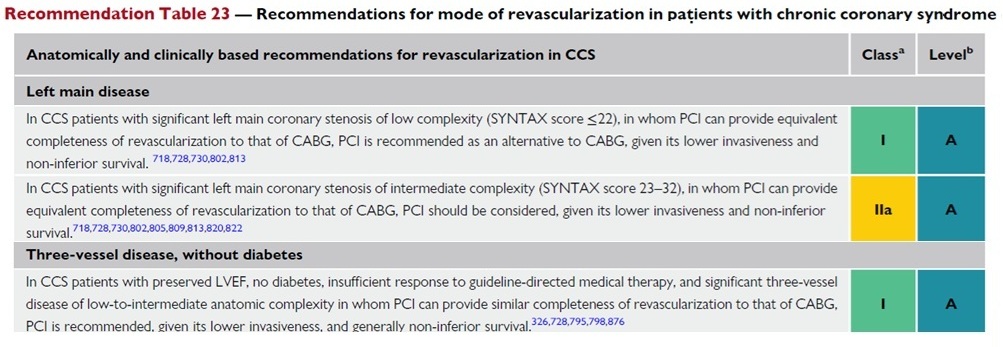
The main reasons why patients are offered bypass surgery are: Bifurcated vessel (bifurcation), left main vein (LMCA), extremely calcified vein and kconically occluded vessel (CTO) complex bottlenecks such as... These problemsof patients with a most of them can also be treated with a stent. For this important issue “Stent or Bypass?“ named in detail our article and watch our case study videos on the same page.
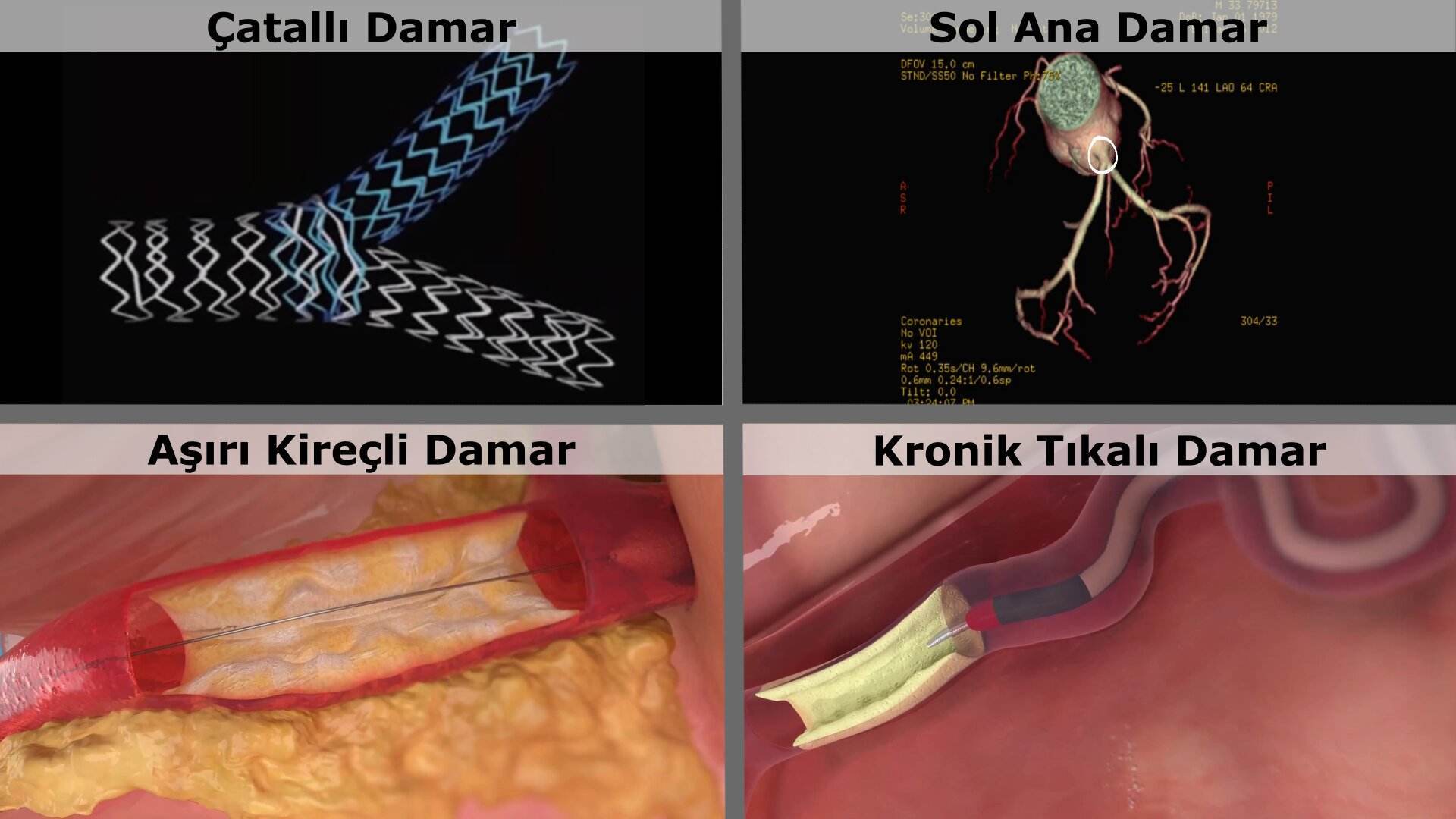

Thanks to advances in technology, today, an experienced interventional cardiologist, whose professional interest is in complex procedures, can also open complex blockages in the arteries with a stent. The stent provides the same benefit as bypass surgery in most patients in whom bypass surgery is decided. So, in these patients, bypass surgery and stenting are equally effective; neither is wrong. However, some patients still require bypass surgery (see References).
For serious decisions, such as the choice of treatment, we recommend that you seek a second opinion from a different physician. It is important that you request that the most up-to-date scientific evidence for the proposed treatment is presented in understandable language, with references.
Prof. Dr. Şükrü Akyüz is an interventional cardiologist; he does not perform surgery because he is not a surgeon. His professional interest is the treatment of heart diseases with non-surgical methods. This includes non-surgical treatment of complex vascular blockages with special stenting methods.
Are bypass vessels blocked?
Bypass surgery of the inserted veins (graft) the likelihood of narrowing or blockage gradually increases over the years. In 1 in 10 cases, the grafts become occluded within 1 month. This is often due to technical inadequacy. The likelihood of blockage depends on the type of graft. Aarterial grafts (from the chest and arm) are used in only 1 in 10 people. In 10 years tıkanır. Tersten okunduğunda, atardamar olan greftler %90 vakada en az 10 yıl boyunca çalışır. Oysa, toplardamar olan greftler (bacaktan alınanlar) her 10 kişiden 5’inde 10 yıl içinde tıkanır; hatta bu tıkanmaların yarısı ilk 1 yıl içinde gerçekleşir. Özetle, atardamarların kullanılması uzun vadede damar açıklığı açısından en iyi sonuçları sağlar (See. References).
What should be considered after bypass surgery?
You should inform your doctor if you have any of the following in your incision site (chest, arm or leg):
- Bleeding
- Increasing chest pain
- Fire
- Nausea or vomiting
- Shortness of breath
- Purulent discharge or increasing redness at the incision site
- Speech impairment or similar stroke symptoms
In the long term, you should pay attention to the following:
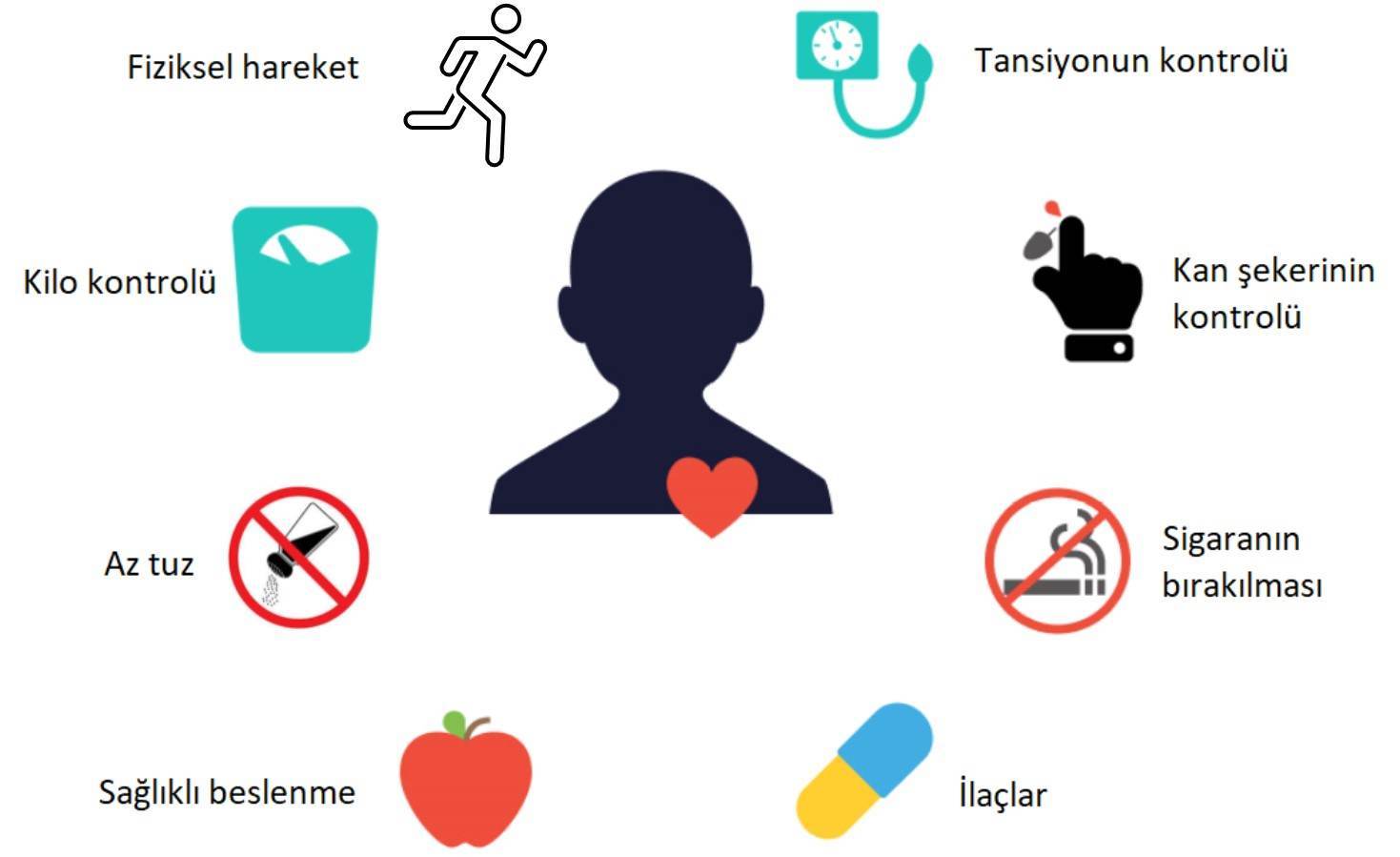
- If your pre-operative complaints such as chest pain or shortness of breath recur a few minutes rest or take sublingual medication. If your chest pain does not go away despite rest or sublingual medication, go to the nearest emergency room or call 112.
- Stop smoking; don't just cut down.
- Don't drink alcohol; at least cut down [It used to be thought that drinking small amounts of alcohol, especially wine, could be good for the heart. However, according to new scientific data, it is probably best not to drink alcohol at all. This is the recommendation of the latest (2021) European Society of Cardiology "Guidelines on Cardiovascular Disease Prevention"].
- Do not gain weight; if you are overweight, reduce your weight with a healthy diet and exercise program.
- Keep your cholesterol levels under control (by watching what you eat and taking medication).
- Keep diabetes and hypertension under control.
- Exercise regularly; at the very least, avoid elevators, driving everywhere and sitting all the time.
- Take your heart medicines (especially blood thinners) regularly.
- Watch what you eat (more details below).
How should bypass surgery patients eat?
Recommended by international guidelines Mediterranean style Remember that this way of eating applies to everyone, whether they have cardiovascular problems or not. The difference in the patient with a stent is that tighter to comply with the law (See. References).
- Eat a diet based on vegetables and fruits. Make sure they are fresh and in season.
- Eat more nuts such as walnuts, hazelnuts and almonds (unsalted and raw), fish, legumes (dried beans, kidney beans, chickpeas, lentils) and fiber.
- Don't eat too much bread. But, ever It is not right not to eat bread. Choose whole wheat bread instead of white bread.
- Cut down on sweets and sugary drinks (cola, soda, fruit juices, etc.); if possible, eliminate them from your life. Ask for water or mineral water with your meals.
- Avoid processed meats (sausages, pepperoni, salami, etc.). In fact, avoid everything processed.
- Use less salt; no more than 5 grams per day.
- Avoid snacks such as fast food, chips and biscuits.
- Choose low-fat or fat-free dairy products.
- Avoid trans fats such as margarine. Cook with healthier fats such as olive oil or sunflower oil.
- Do not consume too much animal fats (saturated fats) such as butter. In fact, with the new data, this issue has become somewhat controversial. Namely, ever It is probably not right not to consume it. For example, you can eat butter for breakfast. It is also okay to eat eggs.
- You can eat up to 500 grams of lean red meat per week. However, we do not recommend eating offal.
- You can also drink herbal teas, black tea and coffee twice a day, but too much can cause palpitations.
- Although a plant-based diet is generally considered to be healthier, do not be under the misconception that all plant foods are beneficial and all animal foods are harmful. For example, remember that white flour and refined sugar, which are known to be harmful, are plant foods, while fish, which is known to be beneficial, is an animal food.
- “Can veins be opened with herbal treatment?", which we recommend you also read.
What will be the recovery process after bypass surgery?
This process varies depending on many factors such as the general health status of the patient, the extent of the surgery and the surgical technique applied. In the early postoperative period, the patient is usually kept in the intensive care unit for 1-2 days and then in the ward for an average of 5-7 days. In the first days, heart rhythm, respiratory functions, fluid balance and wound healing are closely monitored. The possibility of complications is reduced with breathing exercises, movement and blood thinners. After discharge, especially in the first weeks, it is very important that patients avoid heavy physical activity, take their medications regularly and follow up with their doctor.
While sternum healing takes about 1 month, overall recovery can take up to 2-3 months. During this period, adopting lifestyle changes (e.g. eliminating risk factors such as smoking and poor diet) and, if possible, participating in rehabilitation programs are crucial for long-term outcomes (e.g. re-clogging of blood vessels and heart attack).
How many years do bypass surgery patients live?
Most people feel better after the operation and have no complaints for many years. However, over time, the newly inserted vessels can become blocked and stent or a second bypass surgery may be required. It is difficult to predict how many years the patient will live. In some patients (e.g. in cases with serious problems in one of the other vital organs) In some patients, life expectancy is the same as in healthy people, while in others it can be as short as a few years. Aestimated percentages can be given by looking at the statistics of previous patients with the same characteristics. The most important factors that negatively affect this statistic are the following: Technical incompetence in the surgery, holder age, heart failure, heart valve disease, the presence of serious diseases in other organs, hypertension, diabetes, high cholesterol, smoking, medication non-compliance and lack of social support.
References
- Virani SS, Newby LK, Arnold SV, et al. AHA/ACC/ACCP/ASPC/NLA/PCNA Guideline for the management of patients with chronic coronary disease. Circulation. 2023 Aug 29;148(9):e9-e119.
- Vrints C, Andreotti F, Koskinas KC, et al. ESC Guidelines for the management of chronic coronary syndromes. Eur Heart J. 2024 Sep 29;45(36):3415-3537.
- Byrne RA, Rossello X, Coughlan JJ, et al. ESC Guidelines for the management of acute coronary syndromes. Eur Heart J. 2023 Oct 12;44(38):3720-3826.
- Rao, S, O'Donoghue, M, Ruel, M. et al. ACC/AHA/ACEP/NAEMSP/SCAI Guideline for the management of patients with acute coronary syndromes. JACC. 2025;85 (22):2135-2237.
- Stefanini GG, Alfonso F, Barbato E, et al. Management of myocardial revascularisation failure: an expert consensus document of the EAPCI. EuroIntervention. 2020 Dec 4;16(11):e875-e890.
Libby P, Bonow RO, and Mann DL, eds. Braunwald's heart disease: A textbook of cardiovascular medicine, 12th ed. Philadelphia PA: Elsevier; 2022.