

Table of Contents
What is coarctation of the aorta?
The aorta is the largest vessel that takes the blood pumped by the heart and distributes it throughout the body. Coarctation of the aorta is a congenital narrowing of the aorta. Coarctation means "narrowing" in Latin.
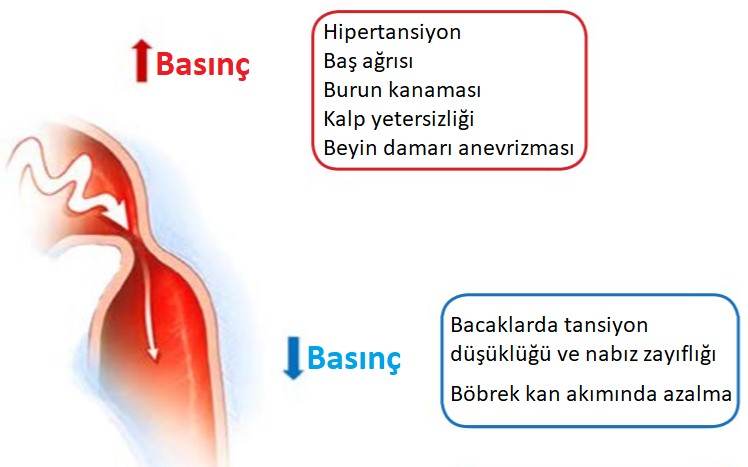
If the stenosis is very severe, symptoms may start even when the patient is a baby. However, depending on the severity of the stenosis, there may be no symptoms until adulthood. Over time, as the patient grows older, the effects of the stenosis begin to be felt. These effects occur because the blood that cannot pass through the stenosis causes high blood pressure before the stenosis and low blood pressure after the stenosis. These include hypertension (high blood pressure in the arms), low blood pressure in the legs, headaches, nosebleeds, heart failure, cerebral aneurysm (ballooning) and reduced blood flow to other organs including the kidneys. The presence of these symptoms and some examination findings in a young person, especially hypertension, should raise suspicion of aortic stenosis. The diagnosis is made by imaging methods such as ECHO, computed tomography or MRI.
How is coarctation of the aorta treated?
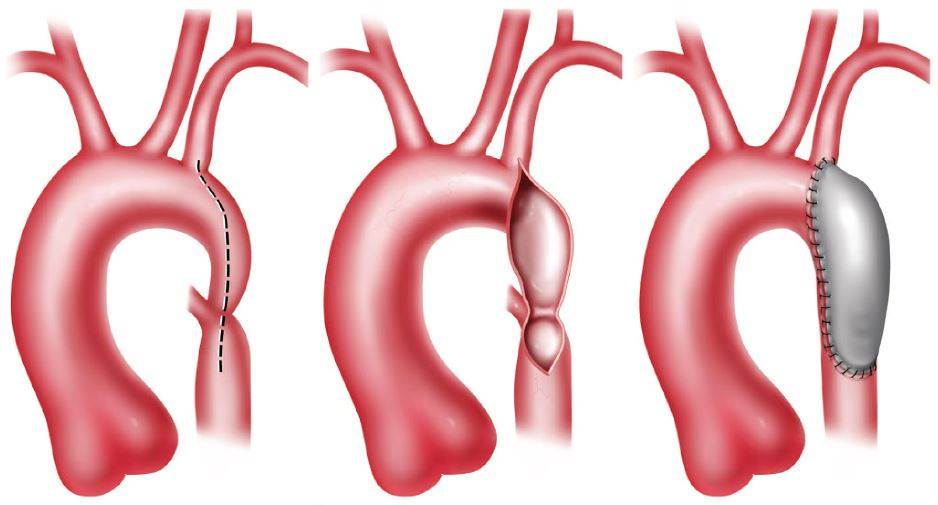
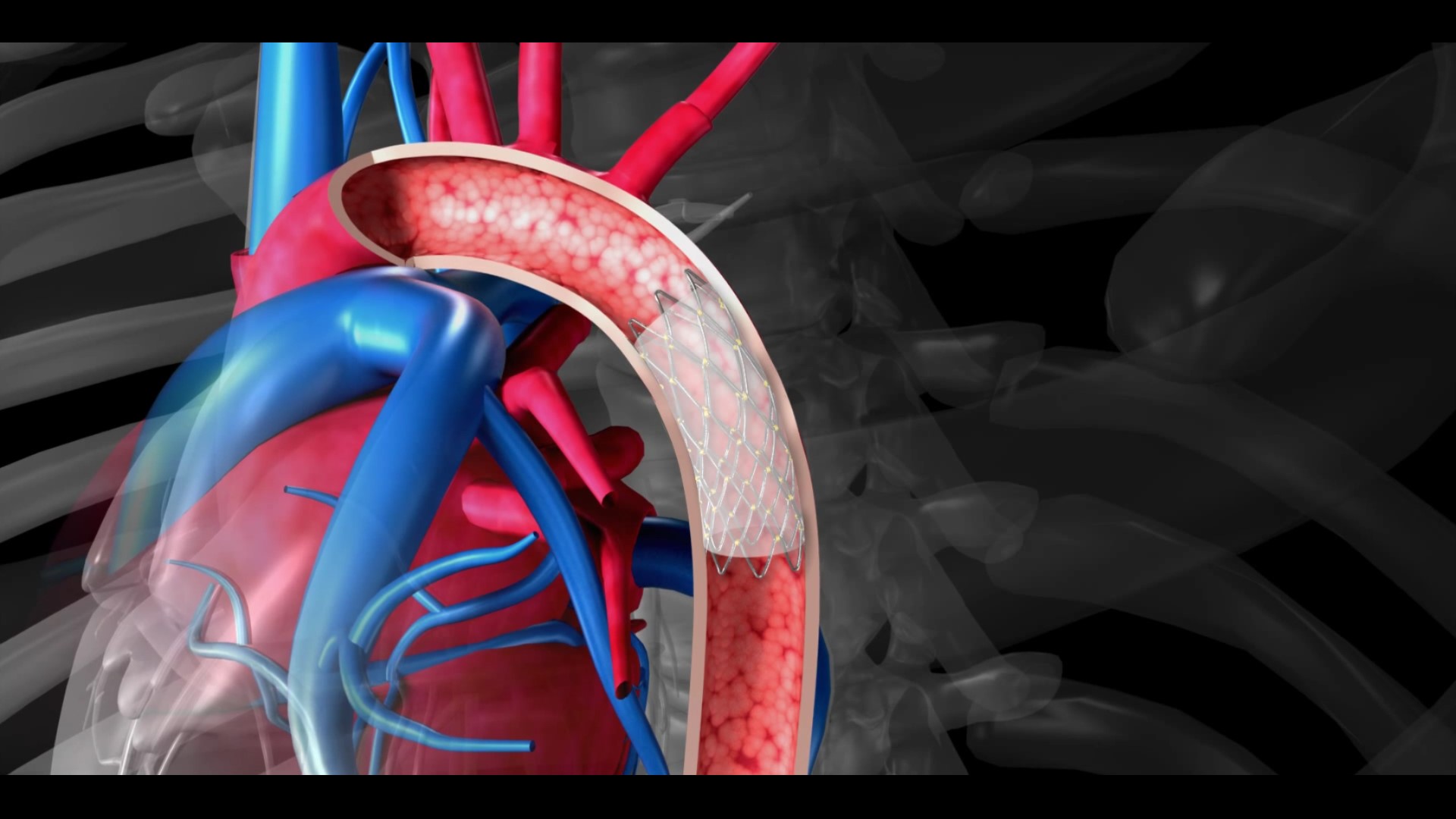
If the aortic stenosis is severe, the treatment is either surgery or non-surgical stenting. Today, stenting is the preferred method if possible.
How to stent coarctation of the aorta?
First, we take the patient to the cath lab. We send X-rays through the aorta. We follow the images obtained in this way on the screen in front of us. We perform the procedure by following these images. We anesthetize the groin area. We enter the inguinal vein with a needle and send a wire through it. Then we remove the needle and insert a flexible sheath (catheter). Through this into the aorta one wire and send it through the aorta. We slide another long catheter over this wire and introduce a special dye into the aorta. This dye, called contrast dye, appears black under X-rays and allows the normally invisible vessels to be seen. This allows us to clarify the location and shape of the stenosis and take measurements. Then we send the catheter carrying the stent beyond the stenosis. After alignment, we inflate the balloon of the stent. After opening the stent completely, we dye it again and take control images. After opening the stenosis, we perform the necessary controls, remove all catheters and finish the procedure.
References
- Mazzolai L, Teixido-Tura G, Lanzi S, et al. ESC Guidelines for the management of peripheral arterial and aortic diseases. Eur Heart J. 2024 Sep 29;45(36):3538-3700.
- Isselbacher EM, Preventza O, Hamilton Black J 3rd, et al. ACC/AHA Guideline for the diagnosis and management of aortic disease. Circulation. 2022 Dec 13;146(24):e334-e482.
- Stout KK, Daniels CJ, Aboulhosn JA, et al. AHA/ACC Guideline for the management of adults with congenital heart disease. Circulation. 2019 Apr 2;139(14):e698-e800.
- Baumgartner H, De Backer J, Babu-Narayan SV, et al. ESC Guidelines for the management of adult congenital heart disease. Eur Heart J. 2021 Feb 11;42(6):563-645.
- Libby P, Bonow RO, and Mann DL, eds. Braunwald's heart disease: A textbook of cardiovascular medicine, 12th ed. Philadelphia PA: Elsevier; 2022.