

Table of Contents
- What is hypertrophic cardiomyopathy (HCM)?
- What is alcohol septal ablation?
- Alkol septal ablasyon vakalarımızdan örnekler
- References
What is hypertrophic cardiomyopathy (HCM)?
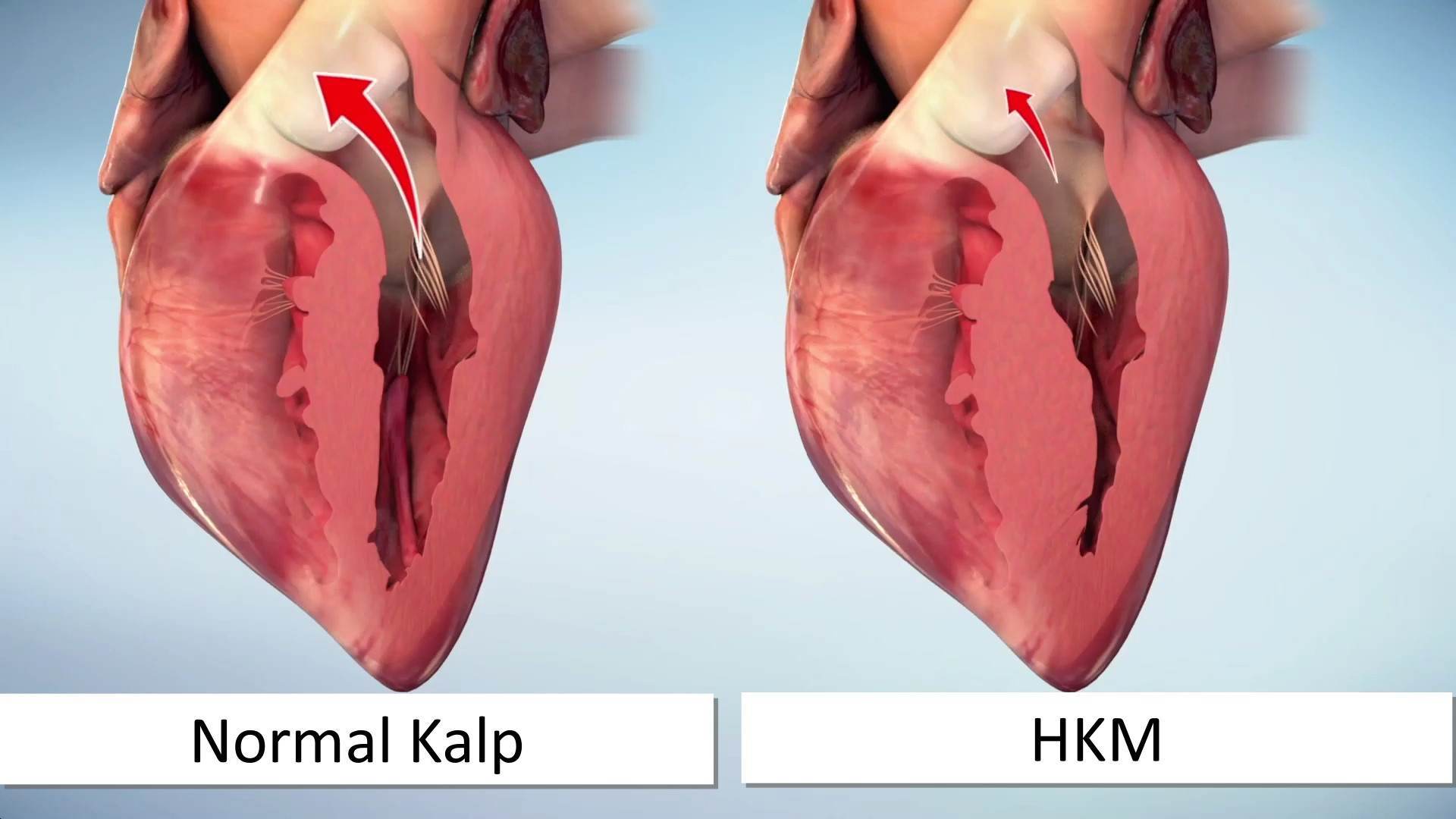
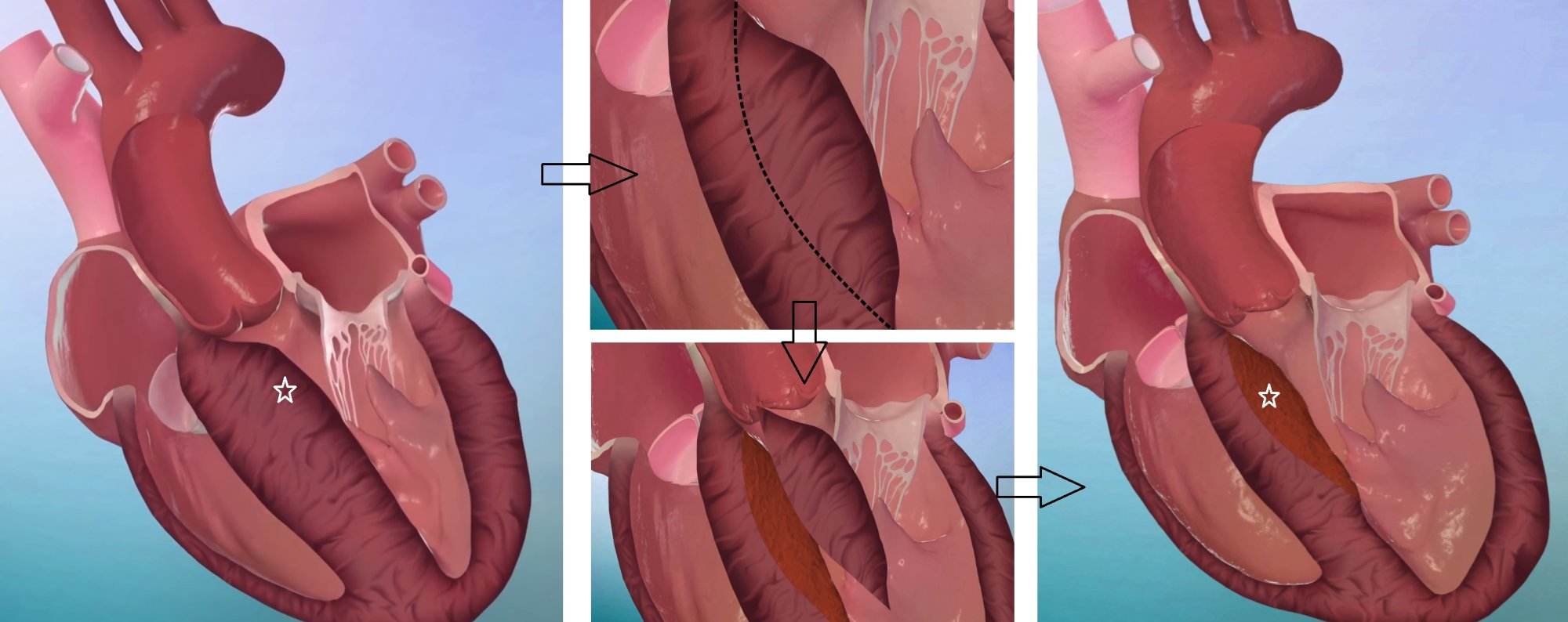
What is alcohol septal ablation?
Alkol septal ablasyon kime yapılır?
If there is thickening of the outflow tract, the first option is to prevent narrowing of the outflow tract by partially suppressing the contractile force of the heart with medication. In this way, the symptoms disappear in most patients. Alcohol septal ablation or surgery, complaints that do not go away despite medication obstructive HKM hastalarına uygulanır. OIn non-obstructive HCM, there is no place for alcohol septal ablation or surgery because there is no stenosis in the outflow tract of the heart.
Alkol septal ablasyon mu, ameliyat mı daha iyidir?
Eskiden, ameliyat ilk tercihti; alkol septal ablasyon, ameliyat olması riskli hastalara uygulanırdı. Ancak, yıllar içinde yapılan bilimsel araştırmaların sonuçlarına göre artık ikisi de ilk tercih olabilir. Seçimi belirleyen, ameliyat ya da ameliyatsız yönteme dair hastanın anatomik ve klinik verileridir. Günümüzde, her 10 hastadan 9’unda alkol septal ablasyon tercih edilmektedir. Uzun vadede her ikisinin de hastaya sağladığı fayda aynıdır (See. References).


Prof. Dr. Şükrü Akyüz, girişimsel kardiyologdur. Uzmanlık alanı, alkol septal ablasyon da dahil olmak üzere kalp hastalıklarının ameliyatsız yöntemler ile tedavisidir.
Which tests are performed before the procedure?
- Blood test For the control of other diseases such as anemia, kidney failure and infection.
- ECG: To find out if there is a heart rhythm disorder.
- ECHO (ultrasound of the heart): To determine whether there is thickening of the left ventricular outflow tract, the degree of stenosis, if any, and whether there are additional problems (e.g. anatomical defects in the mitral valve) that can only be solved by surgery.
How is alcohol septal ablation performed?
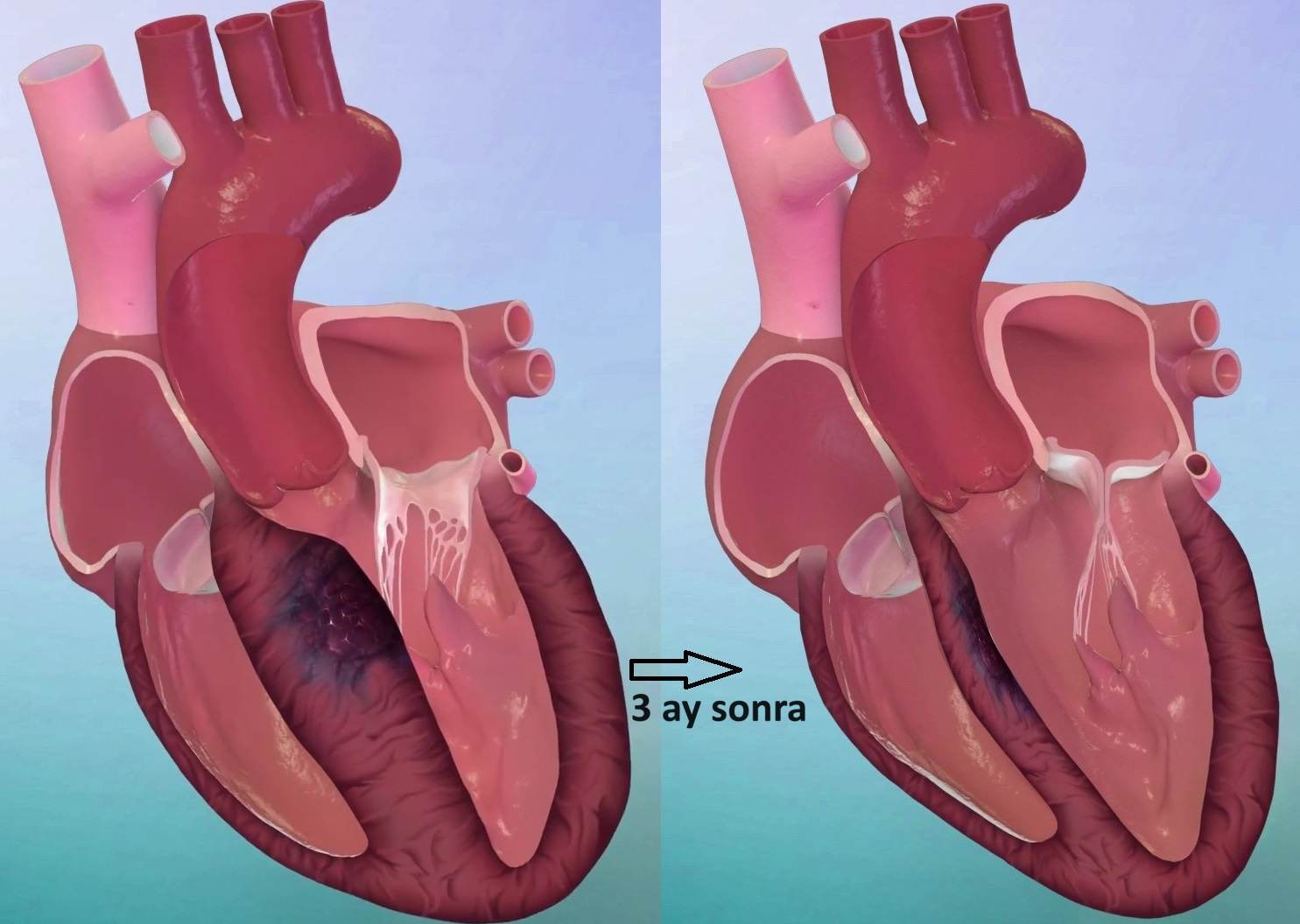
In this procedure, the vessel supplying the thick area at the exit of the heart is identified by angiography and pure alcohol is injected into it. Since alcohol is toxic, it immediately destroys the tissues to which the blood vessel supplies blood. In other words, on purpose a heart attack is created in that area. As this small area of the heart loses its vitality and cannot contract and will become thinner in a few months, the outflow tract is widened and the obstacle to pumping the blood is removed.
The heart continues to work throughout the alcohol septal ablation procedure; unlike surgery, the heart is not stopped. In the procedure, a long, flexible tube (catheter) is inserted into the heart through the groin (leg) vein. A special dye called contrast dye is then injected through the catheter to visualize the heart's own blood vessels (coronary arteries). This helps to identify which of the heart vessels is the vessel of the thicker area in the outflow tract. A wire and balloon are then inserted into the area where the alcohol will be administered. through a catheter is delivered. The balloon is inflated to trap the alcohol in the area to be diluted and prevent it from escaping to other areas of the heart, and then the alcohol is slowly introduced through the tip of the balloon. After waiting 10-15 minutes, the balloon is deflated. The dye is then reintroduced and a new image of the vessel is taken. In a successful procedure, angiography shows that the vessel is no longer filled with dye and ECHO shows a positive change in the pressures in the outflow tract of the heart.
How long does the procedure take?
Usually, it takes 1 hour. Each patient is different and this time may be shorter or longer.
İşlem sırasında ve sonrasında ağrı duyulur mu?
The patient is awake throughout the procedure. Since the procedure causes a voluntary heart attack in the outflow tract of the heart, strong painkillers and tranquilizers are administered intravenously, allowing the patient to complete the procedure without chest pain. However, when the patient wakes up, he/she may feel a slight pain at the site of intravenous access. In this case, the pain is relieved with simple painkillers.
Who performs alcohol septal ablation?
This procedure is performed by interventional cardiologists with theoretical and practical training. Septal myectomy is performed by cardiac surgeons.
What are the risks of alcohol septal ablation?
Her girişimsel işlemde olduğu gibi alkol septal ablasyon işleminde de bazı riskler bulunmaktadır ve en önemlileri şunlardır:
- 10 out of every 100 patients permanent pacemaker may need to be inserted. More rarely, a shock pacemaker (ICD) may need to be implanted. The mechanism underlying the risk of a pacemaker is the following: Elektriksel iletiler kalbe yayılırken ana ileti yolunu kullanır ve bu yol tam da sol karıncık çıkışında bulunur. Burası tedavinin uygulandığı, yani alkolün enjekte edildiği bölgedir. Her 100 kişinin 90’ında ileti yolu alkolden etkilenmez ve sorun olmaz. Ama, geri kalan vakalarda bu yol kısmen ve ya tamamen etkilenir ve kalp hızı yavaşlar. Bunu engellemek için işlem sırasında ve işlemden sonra 24 saat boyunca duracak şekilde bir kalp pili kablosu, boyun ya da bacak damarı yoluyla geçici olarak kalbe yerleştirilir. Kalp hızı düşer ve kendiliğinden birkaç günde normal hızına geri dönmezse bu geçici pil, kalıcı pille değiştirilir.
- Strokes, death and heart attacks in areas of the heart other than the problem area (LVOT) occur in 1 in 100 people.
Bu riskler nedeniyle endişelenmekte haklı olabilirsiniz, ama unutmayın: Bu komplikasyonlar nadiren gelişirler. Önemli olan, işlemin gerçekten gerekli olup olmadığıdır. Güncel bilimsel verilere ve kılavuzlara uygun bir şekilde karar verilmişse bu işlemden kaçınmak şikayetlerinizin geçmeyeceği ve düşük hayat kalitenizin devam edeceği anlamına gelir.
Alkol septal ablasyon vakalarımızdan örnekler
References
- Arbelo E, Protonotarios A, Gimeno JR, et al. ESC Guidelines for the management of cardiomyopathies. Eur Heart J. 2023 Oct 1;44(37):3503-3626.
- Ommen SR, Ho CY, Asif IM, et al. AHA/ACC/AMSSM/HRS/PACES/SCMR Guideline for the management of hypertrophic cardiomyopathy. Circulation. 2024 Jun 4;149(23):e1239-e1311.
- Lasala JM, Rogers JH, eds. Interventional procedures for structural heart disease. Philadelphia PA: Elsevier; 2014.