

Cardiologists and cardiac surgeons are two different groups of doctors who treat heart disease. Cardiac surgeons treat heart diseases with surgery. Cardiologists do not perform surgery; they apply non-surgical methods. Cardiologists are divided into four sub-branches according to their areas of interest:
- Interventional cardiologists: Cardiologists are cardiologists who perform the interventions performed by cardiac surgeons with surgery using non-surgical methods.
- Imaging specialists: They are cardiologists who specialize in making diagnoses with imaging devices, especially echocardiography (ultrasound of the heart).
- Arrhythmia doctors (Electrophysiologists): Cardiologists deal with the diagnosis and treatment of heart rhythm disorders. Their main work includes diagnostic ECGs (electrophysiologic study-EPS), ablation (eliminating the focus of the rhythm disturbance by cold or hot burning) and implantation of pacemakers and shocking devices.
- Clinicians Only cardiologists are involved in patient follow-up, diagnosis and treatment planning.
Unlike heart surgery, interventional cardiologists do not stop the heart; the procedures are performed while the heart is still functioning. No incision is made in the chest or heart. Flexible, thin and long tubes (catheters) are inserted through a small access hole in the wrist (arm) or groin (leg).) implanted devices (e.g. stents and heart valves) intravenously is sent remotely to the heart. The work is therefore not called “surgery” but “intervention” or “interventional procedure”. The cardiologist who performs them is therefore called an “interventional cardiologist”.
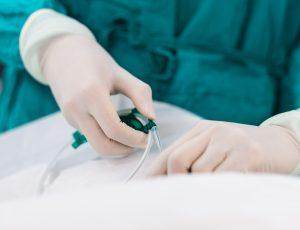
Interventional cardiology has advanced considerably in recent years thanks to advances in technology. In this way, heart problems that used to be solved only with open heart surgery can now be solved with non-surgical methods. Examples of these interventional procedures, which I (Prof. Dr. Şükrü Akyüz) am also interested in and all of which are performed with non-surgical methods, are as follows:
- Heart vessel blockages, without bypass surgery stent can be opened with.
- Heart valve, rib cage without opening can be changed.
- Stenosis of the heart valve balloon with can be expanded.
- Leak in the heart valve latch with can be fixed.
- The hole in the heart is an umbrella-like device can be closed with.
- Pocket with a clot in the heart stopper with can be closed.
- The thickening of the heart wall is the result of alcohol can be thinned with.
- Apart from these, many different procedures can be performed without surgery.
In most cases, the benefit to the heart from non-surgical methods is as good as, and in some cases even better than, surgery. In some rare cases, surgery is better. This choice depends on the characteristics of the patient and the disease.
Whether you consult a cardiologist or a cardiac surgeon, it is very important to get a second opinion from a second doctor from another specialty. Getting information about both surgical and non-surgical methods will make it easier for you to determine what is the best decision for you.